
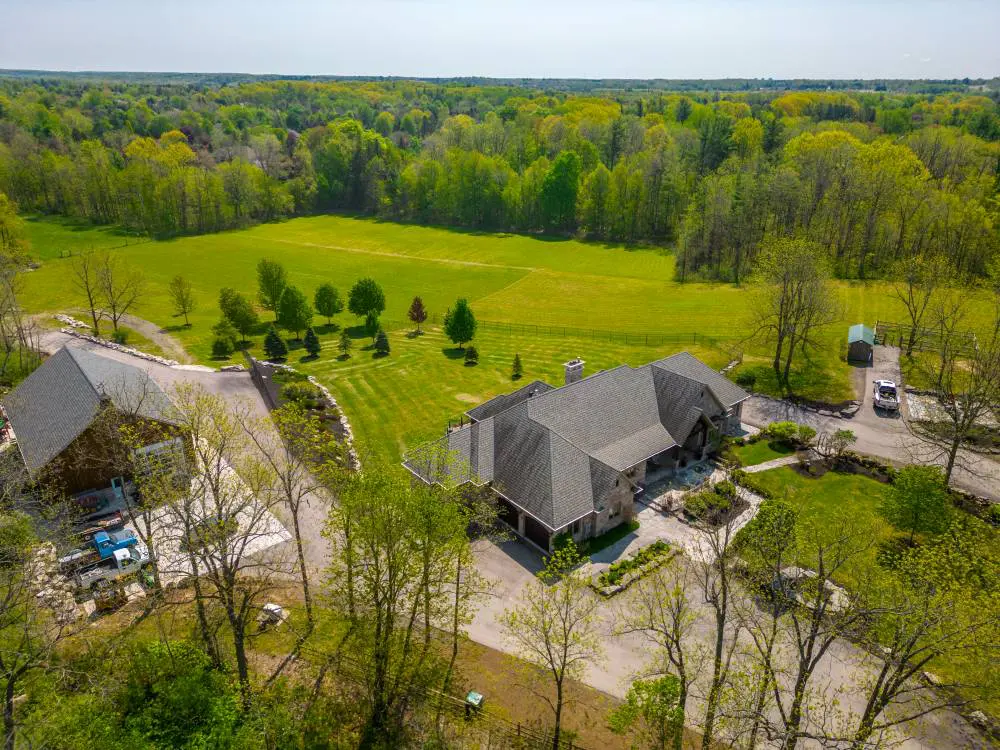
 Buying a Rural Property Conditionally: What Conditions Matter Most in Carlisle, Kilbride, and Flamborough
When you’re buying a rural property in Carlisle, Kilbride, or Flamborough, the standard conditions that work for a suburban home in Burlington or Hamilton don’t tell the whole story. A rural offer needs to account for well water quality, septic system capacity, wood stove safety, buried oil tanks, and Conservation Authority restrictions that can fundamentally change what you’re actually buying.
This isn’t about being overly cautious. It’s about building an offer that gives you the time and professional insight to understand what you’re taking on. Rural properties come with infrastructure you’ll own and maintain yourself. The conditions in your offer are how you confirm that infrastructure works, meets current standards, and won’t cost you tens of thousands of dollars in the first year of ownership.
Here’s what matters most when structuring a conditional rural offer in our market.
What does “conditional” mean in a rural real estate offer?
A conditional offer means your purchase depends on specific requirements being met within a set timeline. If those conditions aren’t satisfied (and you can’t negotiate an alternative), you can walk away from the deal without penalty and get your deposit back.
In a rural context, conditions serve two purposes. First, they protect you from buying a property with hidden infrastructure problems that would be expensive or impossible to fix. Second, they give you time to understand regulatory overlays (like Conservation Authority setbacks or greenbelt restrictions) that might limit what you can do with the land.
Standard urban conditions focus on financing and home inspection. Rural conditions need to go deeper. You’re not just inspecting the house. You’re inspecting the water source, the waste system, the heating equipment, and sometimes the land itself.
Do I need a well water test as a condition?
Yes. Always.
If the property you’re buying in Flamborough or Carlisle uses a drilled or dug well, a water potability test is non-negotiable. This isn’t about preference. It’s about confirming the water is safe to drink and won’t make your family sick.
A standard well water test screens for bacteria (total coliform and E. coli) and basic chemistry. In rural Ontario, many buyers also request extended testing for parameters like nitrates, sodium, hardness, and iron, especially if the property is near agricultural land or has older plumbing.
The test takes three to five business days from sample collection to results. Budget at least seven days in your condition timeline to allow for lab processing and potential re-testing if the first sample shows contamination that might be treatable with shock chlorination.
If the well test comes back with bacterial contamination, you have options. Sometimes it’s a simple fix (shock chlorination and re-test). Sometimes it signals a compromised well casing or surface water intrusion that requires expensive repairs. Your condition gives you the leverage to negotiate a solution or exit the deal.
What about septic system inspections?
A septic inspection is just as critical as the well test, and it takes longer.
Most rural properties in Kilbride, Carlisle, and Flamborough are on private septic systems (either conventional tile beds or newer tertiary treatment systems). These systems have a finite lifespan. A tile bed that’s 25 years old might have five good years left, or it might fail next spring. You need to know before you close.
A qualified septic inspector will locate the tank and distribution bed, assess the tank’s condition, check baffles and access risers, and evaluate the absorption field for signs of failure (surfacing effluent, soggy ground, or odour). If the system includes a pump or advanced treatment unit, those components get tested as well.
Septic inspections require access to the tank, which often means digging to expose the lid if risers aren’t installed. In winter or early spring when the ground is frozen, this can be difficult or impossible. If you’re buying between December and March, plan for a longer condition period or be prepared to accept some uncertainty.
If the inspection reveals a failing system, replacement costs in our area typically run between $15,000 and $30,000 depending on soil conditions, lot size, and whether you need a standard or advanced system. That’s a negotiation point, or a reason to walk away.
Why do I need a WETT inspection for a wood stove or fireplace?
If the property has a wood stove, fireplace insert, or any solid fuel burning appliance, you need a WETT inspection (Wood Energy Technology Transfer).
A WETT-certified inspector evaluates the entire system: the appliance itself, the chimney or flue, clearances to combustible materials, and whether the installation meets current fire safety standards. This isn’t about whether the stove looks nice. It’s about whether the installation is safe and insurable.
Many insurance companies in Ontario will not insure a home with a wood-burning appliance unless you provide a WETT certificate confirming the system is compliant. If the seller doesn’t have a recent certificate (within the last two years), make the inspection a condition of your offer.
WETT inspections typically cost between $300 and $500 and can be completed within a few days of booking. If the inspector finds deficiencies (improper clearances, damaged chimney liner, missing heat shields), you’ll need to factor repair costs into your decision or ask the seller to remedy the issues before closing.
Should I include a condition for an oil tank inspection?
If there’s any possibility the property was ever heated with oil, yes.
Many older rural homes in Flamborough and Carlisle were originally built with oil heating. Even if the home has since been converted to propane or natural gas, there may be an abandoned oil tank still buried on the property. If that tank has leaked, you’re looking at soil remediation costs that can easily exceed $50,000.
An oil tank sweep uses ground-penetrating radar or a metal detector to locate buried tanks. If a tank is found, the next step is determining whether it has leaked. If it has, you’ll need an environmental assessment and likely a Phase II soil remediation before most lenders will finance the property.
Include a condition allowing for an oil tank sweep if the property was built before 1990 and you’re not certain about its heating history. The sweep itself costs between $400 and $800. It’s a small price compared to the risk.
How long should my condition period be for a rural property?
Longer than you think.
A typical urban offer might include a five-day inspection condition. For a rural property with well, septic, and WETT requirements, you need at least 10 to 14 days, and sometimes longer if you’re buying in winter or if the property has complex features (equestrian infrastructure, conservation land, or zoning questions).
Here’s a realistic timeline:
- Day 1 to 2: Book your inspections (home, well, septic, WETT).
- Day 3 to 5: Home inspection and WETT inspection completed.
- Day 4 to 6: Well water sample collected and sent to lab.
- Day 5 to 8: Septic inspection completed (may require coordination with excavator if tank needs to be uncovered).
- Day 8 to 10: Well water results received.
- Day 10 to 12: Review all reports, request quotes for any needed repairs, and negotiate with the seller if issues arise.
If you’re also conducting a survey, oil tank sweep, or need to confirm zoning or Conservation Authority details with the municipality, add another five to seven days.
Don’t let anyone pressure you into a shorter timeline to “make your offer more competitive.” A condition period that’s too short leaves you scrambling, making decisions without full information, or waiving conditions you should never waive.
What other conditions should I consider for a rural property?
Beyond the core inspections, there are several rural-specific conditions worth including depending on the property.
Financing condition: Rural properties on larger lots or with unconventional features (hobby farm buildings, equestrian infrastructure, conservation land) can be harder to appraise and finance. Give yourself enough time to secure a firm mortgage commitment, especially if you’re working with a lender unfamiliar with rural property.
Zoning and building permit confirmation: If you’re buying with plans to build a shop, add a second dwelling, or expand the home, include a condition allowing you to confirm with the City of Hamilton or City of Burlington that your intended use is permitted. Don’t assume. Verify.
Conservation Authority clearance: If the property backs onto conservation land or is near a watercourse, include a condition allowing you to confirm with Conservation Halton or Hamilton Conservation Authority what restrictions apply. Some lots have regulated areas where you cannot build, grade, or remove trees without a permit.
Septic capacity for additional bedrooms: If the existing septic system was designed for a three-bedroom home and you’re planning to add a fourth bedroom or build a secondary suite, confirm the system has capacity. Undersized septic systems are a common issue in rural resale homes.
Access and right-of-way confirmation: If the property is accessed by a private road or shared driveway, confirm the legal status of that access and who is responsible for maintenance. A condition allowing you to review any easement or right-of-way agreements is essential.
Can I remove conditions after I’ve included them?
Yes. Conditions can be waived by the buyer at any time before the deadline.
If your well test comes back clean, your septic inspection shows a healthy system, and your financing is approved, you can waive your conditions early and proceed to a firm sale. But once you waive a condition, you can’t bring it back. Make sure you’ve received all reports and are genuinely satisfied before you remove any protection.
What happens if I can’t satisfy a condition?
If a condition isn’t satisfied by the deadline, you have three options.
First, you can ask the seller for an extension. If the delay is due to lab processing times or weather (common with septic inspections in winter), many sellers will agree to a short extension.
Second, you can negotiate. If the septic inspection reveals a problem, you might ask the seller to reduce the price, complete repairs before closing, or provide a credit at closing. Whether they agree depends on the market and how motivated they are.
Third, you can walk away. If the condition isn’t met and you can’t reach an agreement, your offer becomes null and void. You get your deposit back, and both parties move on.
This is why conditions exist. They give you an exit if the property isn’t what you thought it was.
How does a rural offer differ from an urban conditional offer?
The structure is the same. The details are different.
In an urban offer, the home inspection is usually the main condition. In a rural offer, you’re managing four or five separate inspections, each with its own timeline and specialist. You’re also dealing with systems (well, septic) that don’t exist in city homes and regulatory layers (Conservation Authority, greenbelt, agricultural zoning) that don’t apply in subdivisions.
Rural sellers also tend to be more patient with longer condition periods because they understand what’s involved. A seller in Carlisle or Flamborough who has owned their property for 20 years knows you need time to do your due diligence. They’ve been through it themselves.
Should I work with a REALTOR® who understands rural conditions?
Absolutely.
A REALTOR® who specializes in rural properties in Flamborough, Carlisle, and Kilbride will know which conditions to include, how long the timelines should be, and which local inspectors are qualified to assess rural infrastructure. They’ll also know how to negotiate when an inspection reveals a problem, because they’ve seen it before.
At Vickie Cooper Realty Group, we build every rural offer with the same care we’d use if we were buying the property ourselves. We know the timelines, the inspectors, and the regulatory context. We also know when to push back if a seller or listing agent is pressuring you to shorten your conditions or waive protections you shouldn’t waive.
If you’re buying a rural property in our market and want to structure an offer that protects you without killing the deal, let’s talk. We’ll walk you through every condition, explain what each inspection covers, and make sure you’re moving forward with your eyes open.
—
Frequently Asked Questions
Can I make an offer without a well or septic condition if the seller already has recent reports?
You can, but it’s not recommended. A report from two years ago doesn’t tell you the current state of the system. Wells can become contaminated. Septic systems can fail. Always conduct your own inspections with your own chosen professionals, even if the seller provides past reports as reference.
What happens if the well test shows contamination?
If bacteria are detected, the well is often treated with shock chlorination and re-tested. If the second test is clear, the issue is resolved. If contamination persists, it may indicate a structural problem with the well casing or surface water intrusion, which requires more expensive repairs. Your condition gives you the option to negotiate a solution or walk away.
Do I need a lawyer to review conditions before I submit an offer?
It’s a good idea, especially if you’re including custom conditions related to zoning, easements, or Conservation Authority restrictions. Your REALTOR® will draft the offer, but a real estate lawyer can review it to ensure your interests are fully protected. Most lawyers will do a quick review for a modest fee before you sign.
How much does it cost to complete all the inspections for a rural property?
Budget between $1,500 and $2,500 for a full set of rural inspections: home inspection ($500 to $700), well water test ($150 to $300 for standard, more for extended panels), septic inspection ($400 to $600), WETT inspection ($300 to $500), and optional oil tank sweep ($400 to $800). These are out-of-pocket costs whether or not you proceed with the purchase.
Can a seller refuse an offer because the condition period is too long?
Yes. A seller can reject any offer for any reason. However, in rural markets like Carlisle and Flamborough, sellers generally understand that responsible buyers need time for proper due diligence. If a seller refuses a reasonable condition timeline, it may signal they’re not confident in the property’s condition, or they have another offer they prefer.